For businesses in Leamington Spa, Warwick, Kenilworth, Southam and across Warwickshire, a website now needs to do far more than simply look professional. It should work well on mobile devices, load quickly, explain your offer clearly, establish trust, support organic search visibility and make it easy for visitors to take the next step.
Some problems are obvious, such as an outdated design or broken page. Others are more subtle. A website can look attractive while still making it difficult for Google to understand its services, hiding important calls to action or failing to give customers enough confidence to enquire.
The 10 mistakes at a glance
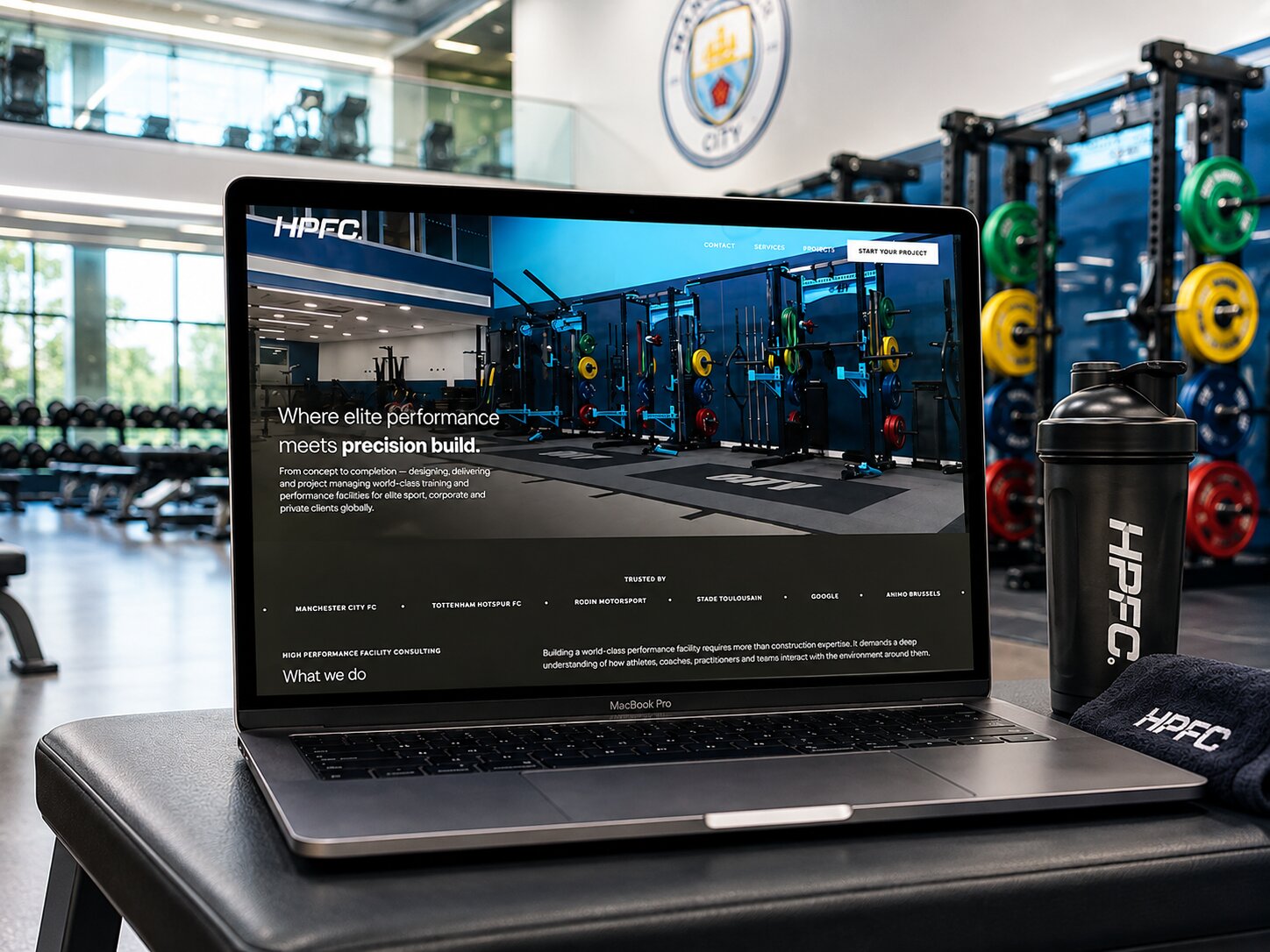
Ignoring the Mobile Experience
A website that works beautifully on desktop can still create a frustrating experience on a smartphone. Customers regularly research local businesses, compare services and buy products from mobile devices, so mobile design cannot be treated as an afterthought.
Common problems include oversized headings, buttons positioned too close together, horizontal scrolling, intrusive pop-ups, huge images and navigation menus that are difficult to use. Responsive design is not simply about shrinking a desktop page. The layout should be considered around how somebody actually uses a smaller touchscreen.
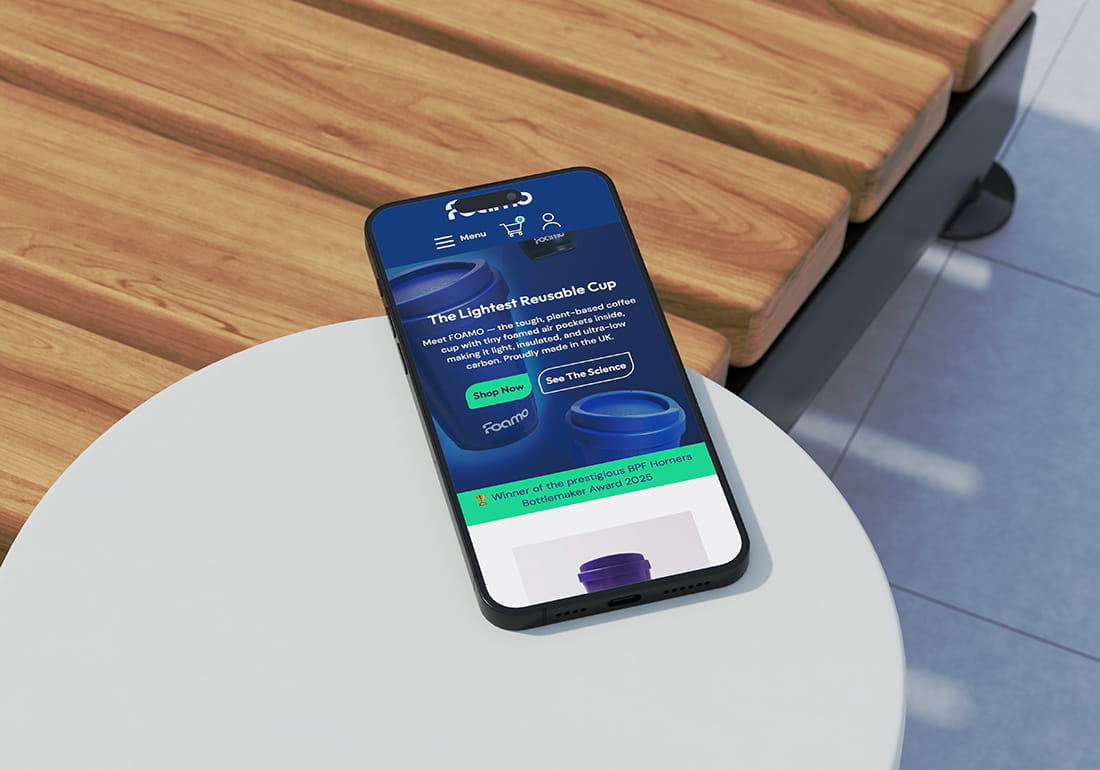
Allowing Your Website to Become Slow
Speed affects user experience, conversions and technical SEO. Visitors are unlikely to care why a page is slow; they simply experience the delay. WordPress websites can gradually become heavier as plugins, tracking scripts, animations, widgets and large images are added.
Ecommerce websites can be particularly demanding because they may also need product filters, customer accounts, payment integrations and dynamic cart functionality. Performance therefore needs to be considered throughout the life of the website rather than only at launch.
Optimise media
Compress images and use appropriate dimensions and formats.
Review infrastructure
Use suitable hosting, caching and optimisation for the site's requirements.
Using Unclear Homepage Messaging
One of the most common mistakes is trying to sound impressive instead of being clear. Phrases such as “innovative solutions”, “unlocking potential” and “delivering excellence” can sound professional while telling visitors very little about what the company actually does.
A potential customer should quickly understand what you offer, who it is for, where you operate when location matters, why somebody should consider you and what they should do next. For a Warwickshire service business, geographic relevance can also be useful.
Weak or Missing Calls to Action
Getting somebody onto your website is only part of the job. The website then needs to help that visitor move forward. Many sites bury the contact page in the navigation or use vague buttons such as “Learn More” everywhere.
Your primary calls to action should reflect the commercial objective of the page. That might be requesting a quote, booking a consultation, calling the company, buying a product, viewing projects or sending an enquiry.
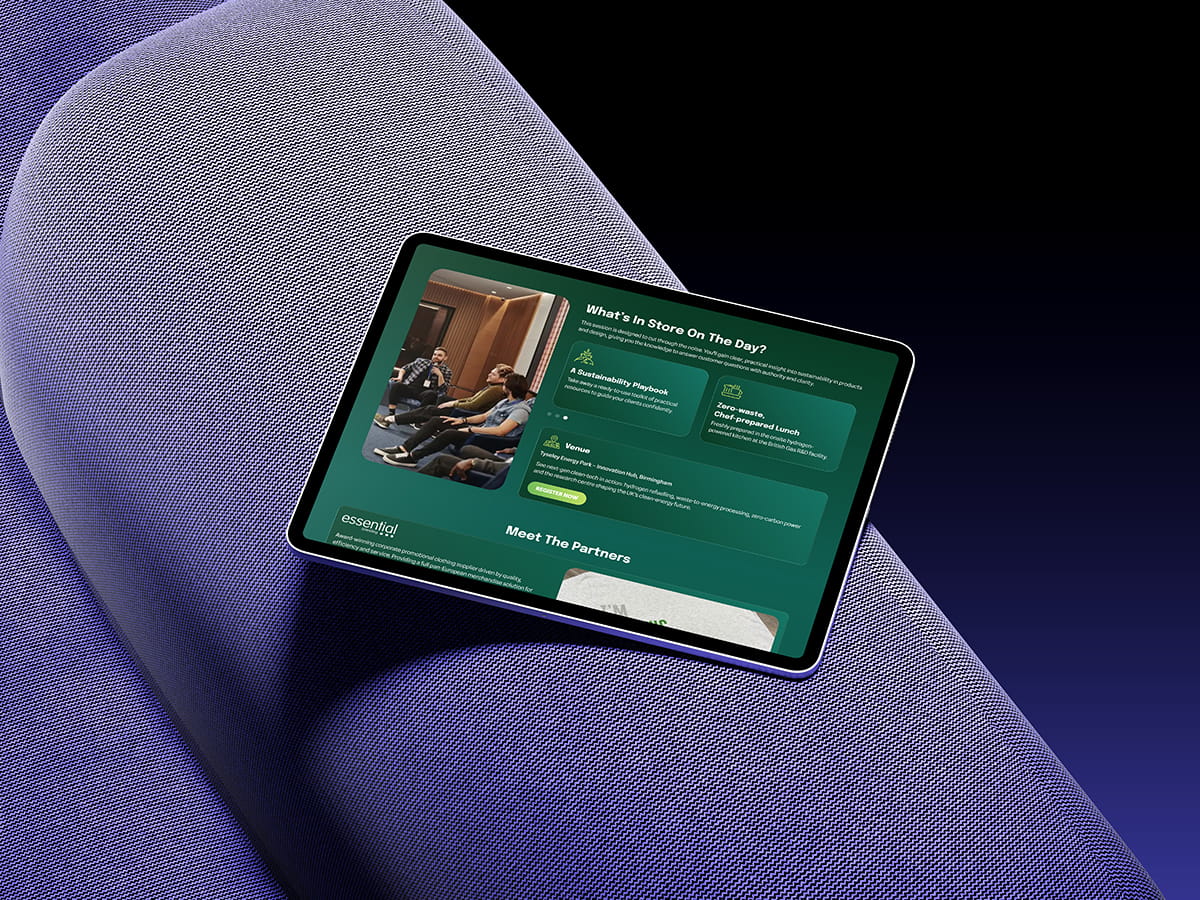
Ignoring Local SEO
If your customers are geographically relevant, your website should give search engines and users clear information about where you operate. A Warwickshire company might provide excellent services but still struggle for searches involving Leamington Spa, Warwick or nearby areas if its website contains almost no meaningful local information.
Local optimisation should not mean creating dozens of near-identical pages with the town name swapped. Useful local pages should contain genuine information about the service, local relevance, project examples, testimonials where appropriate and answers to real customer questions.
My web design services in Leamington Spa, for example, are supported by locally relevant information rather than relying on a location keyword alone.
Publishing Thin Service Pages
A service page containing a heading, two short paragraphs and a contact button rarely answers everything a potential customer wants to know. Strong service pages should explain what the service includes, who it suits, how the process works, common questions, examples and the next step.
This also gives search engines more context. Repeating a keyword several times is not a substitute for covering a subject properly. For website projects, useful depth could include design, development, WordPress, ecommerce, SEO considerations, performance and ongoing support.
If WordPress is relevant to your project, see my WordPress website design services.
Not Showing Enough Evidence and Trust
Your website can say that you provide a high-quality service, but customers are more likely to trust evidence than claims. Useful trust signals include genuine reviews, case studies, project examples, accreditations, awards, years of experience, team information and clear contact details.
Case studies are particularly valuable because they explain the challenge, work completed and outcome. For local businesses, they can also demonstrate genuine experience with organisations in the surrounding area.
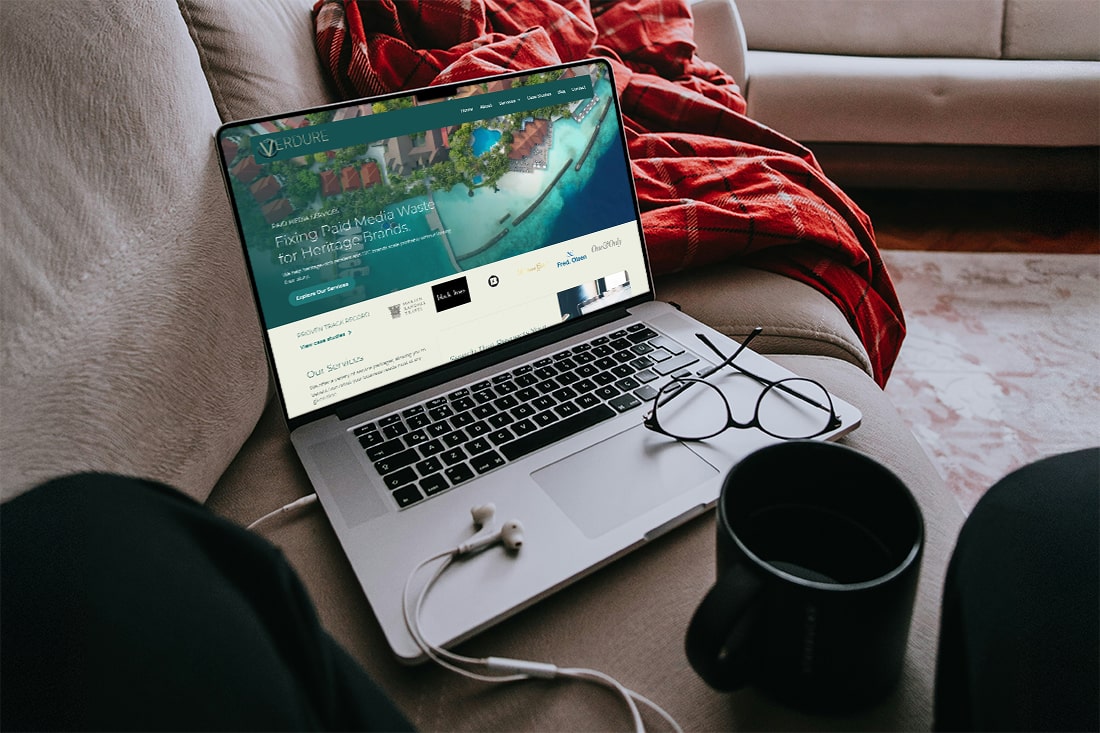
Making Navigation Too Complicated
Businesses often organise websites around their internal structure rather than the customer's journey. The result can be large menus, overlapping services and terminology that only existing customers understand.
Navigation should help visitors reach important information quickly. Internal linking matters too. Someone reading about website redesign might logically want to view redesign services, related case studies or migration guidance.
Neglecting Website Maintenance and Tracking
A website is not finished when it launches. WordPress, themes and plugins change. Browsers evolve. Forms can stop delivering correctly. Integrations can fail and content becomes outdated.
Regular maintenance should include software updates, backups, security monitoring, form testing, broken-link checks and performance reviews. Analytics is equally important. Without suitable tracking, businesses can struggle to understand which pages attract visitors and which activities produce enquiries.
Maintain
Updates, backups and testing reduce preventable problems.
Measure
Analytics and conversion tracking show how the website contributes to business goals.
Redesigning Without Protecting SEO
A redesign can improve an outdated website dramatically, but it can also create problems if existing search visibility is ignored. Changing URLs, deleting useful content or launching without redirects can remove signals search engines have built up over time.
Before redesigning an established site, audit existing pages and identify important organic landing pages, backlinks, rankings, metadata and URLs. Decide what should be retained, improved, consolidated or redirected before launch.
For a more detailed process, read my Website Redesign Guide for Warwickshire Businesses. For projects involving a platform or domain change, see my website migration guide.
Quick Website Health Checklist
| Area | Question to Ask | Priority |
|---|---|---|
| Mobile | Can customers comfortably use every important page on a phone? | High |
| Speed | Do key pages load quickly without unnecessary scripts or oversized media? | High |
| Messaging | Is it immediately clear what the business does? | High |
| Calls to action | Does each important page provide an obvious next step? | High |
| Local SEO | Is your Warwickshire relevance clear and genuine? | High |
| Trust | Are reviews and projects easy to find? | High |
| Maintenance | Are updates, backups, forms and tracking checked regularly? | High |
| Redesign SEO | Are valuable URLs and existing visibility protected? | High |
Improving a Business Website in Warwickshire
The best improvements depend on the current site. One business might benefit from a complete redesign, while another could achieve meaningful gains by refining homepage messaging, improving mobile layouts, creating stronger service pages or fixing conversion tracking.
Assess the website from three perspectives: the customer, search engines and the business itself. Can customers understand the offer and act easily? Can search engines understand your services and geographic relevance? Can the business measure whether the website is generating useful results?
If you are based locally, learn more about working with a web designer in Leamington Spa. If you are still comparing options, my guide to finding a local website designer covers what to consider.
Frequently Asked Questions
How often should a business website be redesigned?
What are the biggest signs a website is outdated?
Can a better website improve local SEO?
Should every Warwickshire town have its own landing page?
Should I redesign my website or improve the existing one?
Does Your Warwickshire Business Website Need Improving?
Whether you are dealing with an outdated website, poor mobile performance, weak SEO or a site that simply is not generating enough enquiries, the right improvements should be based on what your business and customers actually need.
Based in Leamington Spa, I work with businesses across Warwickshire on website design, redesigns, WordPress, ecommerce and ongoing website improvements.
Explore Web Design in Leamington Spa →